An overview of dota 2 teams
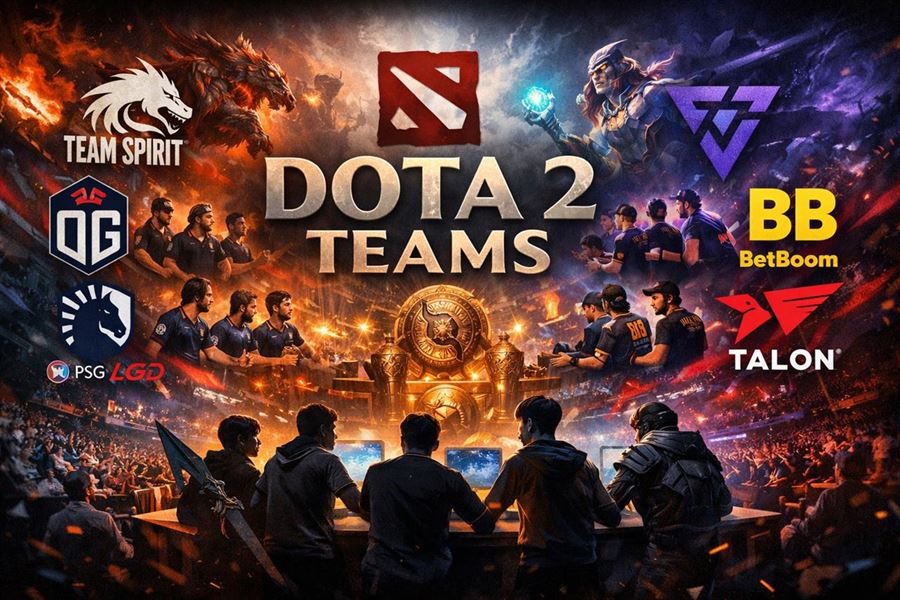
Dota 2, one of the world's most celebrated multiplayer online battle arena (MOBA) games, has become a focal point for competitive gaming. The esports scene surrounding Dota 2 is deep and complex, with numerous professional teams battling across regional and global tournaments. These Dota 2 Teams are the driving force behind the thrilling matches that have helped make the game a worldwide esports phenomenon.
The Structure of Dota 2 Teams
A typical Dota 2 team consists of five players, each with a specific role. The game's structure demands teamwork, execution, and real-time adaptation, which has led to highly specialized positions within each squad.
Core Roles Within a Team
- Carry (Position 1) - Responsible for dealing the most damage late in the game. Carries farm in the early stages to become the team's primary damage source.
- Midlaner (Position 2) - A versatile role, the midlaner often has early-game impact and transitions into a secondary damage dealer.
- Offlaner (Position 3) - Typically a tanky initiator who can survive difficult situations and create space for the team.
- Soft Support (Position 4) - Often roams the map with the goal of creating early pressure and helping the offlaner gain an advantage.
- Hard Support (Position 5) - Focused on securing the safe lane and providing vision and utility to the team.
Top Performing Dota 2 Teams
Over the years, a few teams have become staples in tournament play, frequently appearing at Major events and The International (TI), the most prestigious annual Dota 2 tournament.
Team Spirit
Team Spirit shocked the world by winning The International 10 in 2021, defeating established powerhouses and redefining Eastern Europe's strength in Dota 2. Their cohesion and ability to make bold plays contributed to their unexpected but celebrated victory.
OG
OG made history by becoming the only team to win The International twice in a row (2018 and 2019). Known for their innovation and fearlessness, OG’s roster included legendary players such as N0tail and ana, whose synergy drove the team to greatness.
Team Liquid
Another legendary organization, Team Liquid, claimed The International 2017 title. Known for their strategic plays and adaptive drafting, the team has continuously remained among the upper echelon of competitive Dota 2.
PSG.LGD
The dominant force from China, PSG.LGD has had multiple deep runs at major tournaments, including a near-win at TI9. Their methodical style and disciplined performance make them perennially dangerous.
Regional Diversity and Emerging Talent
Dota 2's global reach has given rise to diversity across different regions, each bringing unique strategies and meta preferences. Europe and China have traditionally dominated, but SEA, CIS, and North American teams continue to rise in prominence.
Emerging Teams
Newer teams such as Tundra Esports, BetBoom Team, and Talon Esports are gaining attention for their innovative playstyles. They're a testament to the constant evolution in Dota 2's competitive landscape, where new contenders can emerge at any time.
The Community and Fanbase
Fan engagement plays a huge role in sustaining Dota 2's vibrant esports ecosystem. Online platforms, team-specific merchandise, and behind-the-scenes content allow fans to stay connected with their favorite teams. Initiatives like the DPC (Dota Pro Circuit) make it easier for fans to follow standings and player progress.
Final Thoughts
Dota 2 teams are the heart of the global esports spectacle that the game has become. With dynamic playstyles, fascinating histories, and passionate fanbases, each team adds unique flavor to the ongoing narrative of competition. As the game evolves, so too will its key players and which teams rise to touch greatness next remains an ever-unfolding story.